Photography Etiquette & Respectful Portraiture Guide
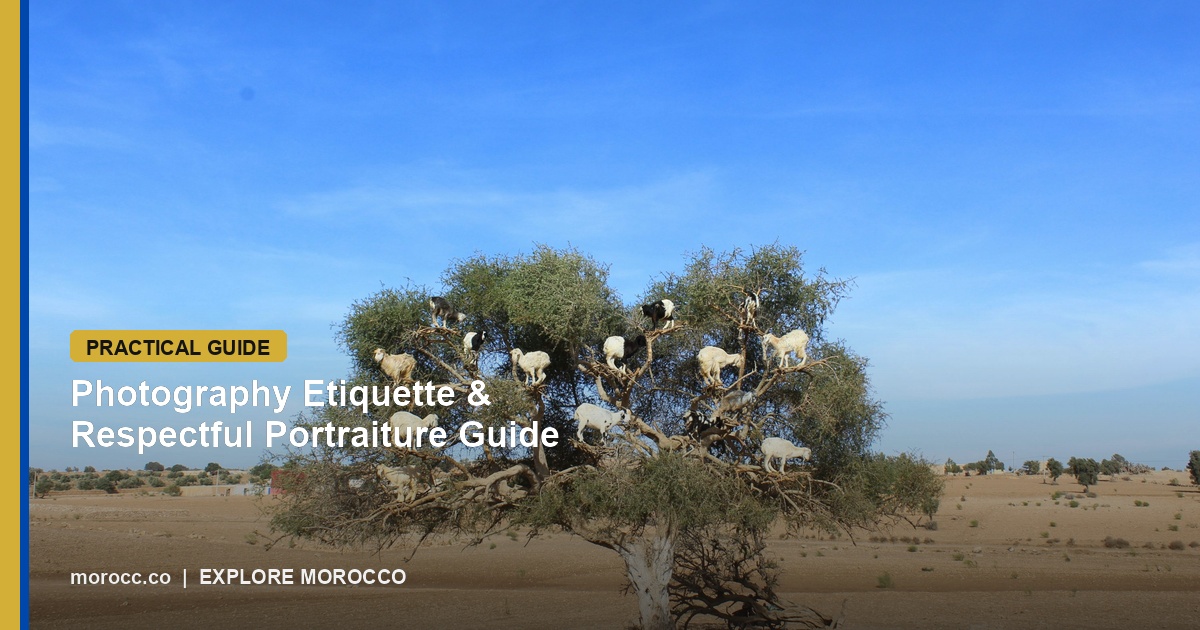
Direct Answer: Photography Etiquette & Respectful Portraiture Guide represents an essential dimension of Moroccan travel and culture, offering visitors rich historical heritage, authentic local encounters, and memorable landscapes when explored with practical preparation.
Quick Facts & Logistical Guide
| Category | Detail / Recommendation |
|---|---|
| Best Time to Visit | October through April (Mild temperatures) |
| Recommended Duration | 2–3 Days |
| Key Highlights | Historic Architecture, Local Souks, Cultural Encounters |
| Local Language | Darija (Moroccan Arabic), French, Berber |
Exploring Photography Etiquette & Respectful Portraiture Guide
Morocco’s landscapes and historic cities offer unparalleled depth for travelers. When planning your journey, having reliable practical context makes all the difference.
As you prepare your itinerary, consult our essential resources:
- The Ultimate Morocco Packing & Clothing Guide
- Modest Dressing Decoded
- Footwear & Medina Walking Field Guide
Key Insights & Practical Advice
Photography in Morocco runs on one rule: people are people, not scenery. Ask before you raise the camera — a smile and a gesture toward your lens is usually enough, and a genuine request often turns into a conversation or a better shot than you planned. Performers in costume, snake charmers, and water-sellers expect payment if photographed, so agree on a few dirhams first. Craftsmen, cooks, and shopkeepers generally enjoy being photographed once asked; children love seeing their own picture on your screen.
Some subjects are simply off-limits or need real caution. Never photograph police stations, military posts, border areas, or airports, and be discreet around royal palaces and their guards. Inside mosques, non-Muslims generally cannot enter the prayer halls, so shoot exteriors and archways from respectful distance. In rural villages, asking matters even more than in cities — a head shake must end the matter, politely and immediately. Dawn light on blue streets and dusk in the squares will test your skill more than any permission challenge; keep the camera lowered and your eyes up.
Whether navigating historic medinas or venturing into mountain passes, observing local etiquette and respecting cultural customs ensures a rewarding experience.
Frequently Asked Questions
What is the best way to explore this region?
Exploring on foot with a knowledgeable local guide or taking licensed transport is recommended for navigating historic quarters and scenic routes comfortably.
Are credit cards widely accepted?
Cash in Moroccan Dirham (MAD) remains essential for local markets, small cafes, and traditional souks, though major hotels and upscale restaurants accept cards.
Last reviewed: 2026-09-18 by morocc.co editorial team.