High Atlas Trekking Trails
Direct Answer: High Atlas Trekking Trails represents an essential dimension of Moroccan travel and culture, offering visitors rich historical heritage, authentic local encounters, and memorable landscapes when explored with practical preparation.
Quick Facts & Logistical Guide
| Category | Detail / Recommendation |
|---|---|
| Best Time to Visit | October through April (Mild temperatures) |
| Recommended Duration | 2–3 Days |
| Key Highlights | Historic Architecture, Local Souks, Cultural Encounters |
| Local Language | Darija (Moroccan Arabic), French, Berber |
Exploring High Atlas Trekking Trails
Morocco’s landscapes and historic cities offer unparalleled depth for travelers. When planning your journey, having reliable practical context makes all the difference.
As you prepare your itinerary, consult our essential resources:
- High Atlas Trekking Trails (Part 2)
- High Atlas Trekking Trails (Part 3)
- High Atlas Trekking Trails (Part 4)
Key Insights & Practical Advice
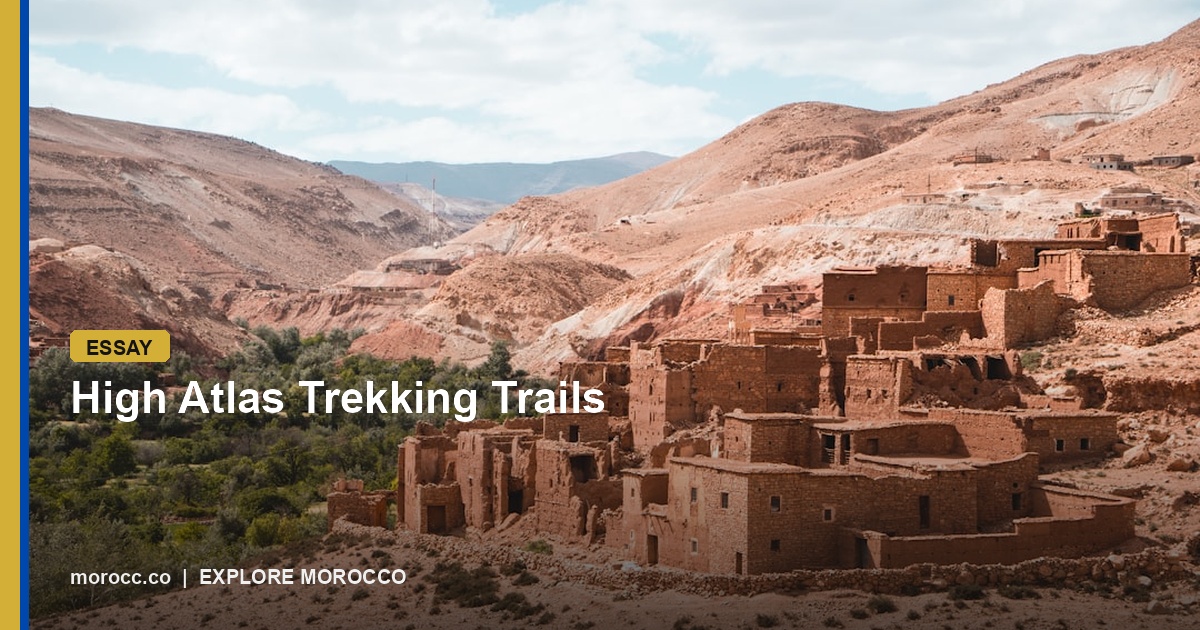
Trekking the High Atlas is village walking as much as mountain walking. Trails link Berber communities where gite-households offer dinner, mint tea, and a thin mattress under thick blankets, and hiring a local guide and muleteer is both the practical choice and the right one — routes are unmarked, mules carry the loads, and the fees stay in the valleys you walk through. From Imlil under Mount Toubkal to the nut groves of the Azzaden valley, three days is enough to taste the range.
Organizing an Atlas trek starts at the village guide association, not the internet. In Imlil, registered guides and muleteers are assigned through the local office at published rates, insurance follows, and the money lands in the valley rather than a city agency. Bring cash for the full trip, a duffel the mule can carry, and day-pack only what you need while walking. Negotiate the route honestly — a good guide will tell you when your ambitions and your knees disagree. Book the first night in Imlil itself and start walking at dawn.
Whether navigating historic medinas or venturing into mountain passes, observing local etiquette and respecting cultural customs ensures a rewarding experience.
Frequently Asked Questions
What is the best way to explore this region?
Exploring on foot with a knowledgeable local guide or taking licensed transport is recommended for navigating historic quarters and scenic routes comfortably.
Are credit cards widely accepted?
Cash in Moroccan Dirham (MAD) remains essential for local markets, small cafes, and traditional souks, though major hotels and upscale restaurants accept cards.
Last reviewed: 2026-09-18 by morocc.co editorial team.